Green Sips: The Impact of Coffee Cultivation
Coffee is not only a morning ritual; it is a global phenomenon that brings together countless individuals through shared experiences and flavors. From coffee fresh beans of newly brewed coffee to the subtle characteristics found in the best coffee beans, each cup tells a story of its origins. The coffee sector has developed considerably, and consumers are becoming more aware of the impact that coffee crop farming has on the environment and local communities. As we explore the world of eco-friendly coffee, it is essential to grasp how the methods used in cultivating and collecting coffee grains can affect both the quality and sustainability.
Arabica coffee is renowned for its velvety taste and rich flavors, and is often desired by coffee lovers. The best coffee in the world frequently includes arabica beans, prized for their superior quality. However, the sustainability of coffee cultivation practices directly affects not only the taste experience of these highly rated coffee varieties but also the well-being of farmers around the globe. By choosing fresh roasted coffee grains sourced from ethical farms, buyers can enjoy barista coffee with a clear conscience, understanding they are backing practices that prioritize the ecosystem and local populations involved in producing good coffee. get more info from bean to mug is one that deserves attention, as the choices we make can lead to a more sustainable tomorrow for coffee aficionados everywhere.
Effects of Coffee Cultivation
Cultivating coffee profoundly influences the environment, frequently resulting in deforestation and habitat loss. The demand for coffee, particularly Arabica coffee, has grown over the years, pushing farmers to expand their plantations into virgin areas. This growth can result in the loss of biodiversity, harming local ecosystems and displacing various wildlife species. The cultivation of coffee beans, especially in monoculture systems, reduces soil health and heightens vulnerability to pests and diseases, making more complex the environmental landscape.
In addition, coffee farming practices can lead to soil degradation and water pollution. The use of chemical fertilizers and pesticides is prevalent in conventional coffee farming, affecting both the soil and nearby water sources. Rain runoff carries these chemicals into rivers and streams, threatening aquatic life and contaminating water supplies. Sustainable practices, such as organic farming and shade-grown coffee, help mitigate these impacts by encouraging better agricultural methods and safeguarding surrounding ecosystems.
Though the environmental challenges linked to coffee farming are considerable, there is a growing movement towards sustainability within the coffee industry. Many coffee companies are now emphasizing sourcing fresh coffee beans that are grown using eco-friendly practices. This change not only aims to preserve the environment but also to produce high-quality coffee. Consumers are more and more seeking the best coffee beans that support sustainable farming, making sustainable coffee an increasingly appealing choice for the environmentally conscious coffee drinker.
Green Methods in Café Farming
Responsible coffee cultivation practices are vital for safeguarding the ecosystem while maintaining the excellence of coffee crops. Several coffee producers are now adopting agroforestry systems, which facilitate the growing of coffee together with diverse tree species. This strategy not only enhances biodiversity but also provides shade for coffee plants, enhancing the standard of arabica coffee. By establishing ecosystems that simulate native forests, farmers can minimize the need for chemical fertilizers and pesticides, which can damage local wildlife and waterways.
An additional important component of sustainable coffee farming is the application of organic farming methods. This comprises utilizing organic fertilizers such as organic matter and manure, which fertilize the soil without using harmful chemicals. Coffee farmers who prioritize organic practices often grow some of the best rated coffee beans in the world. Additionally, organic accreditations can provide new markets and present farmers a price premium, incentivizing the production of high-quality coffee while promoting sustainable land use.
Sustainability also extends the economic and social welfare of coffee farming societies. Fair trade policies ensure that farmers obtain fair compensation for their labor, promoting economic stability and facilitating the continued growth of high-quality coffee. By supporting good coffee and sustainable agriculture techniques, customers can play a function in creating a more just coffee industry and assisting to the efforts to safeguard the future of coffee crop cultivation for generations to come.
Choosing the Finest Eco-friendly Coffee
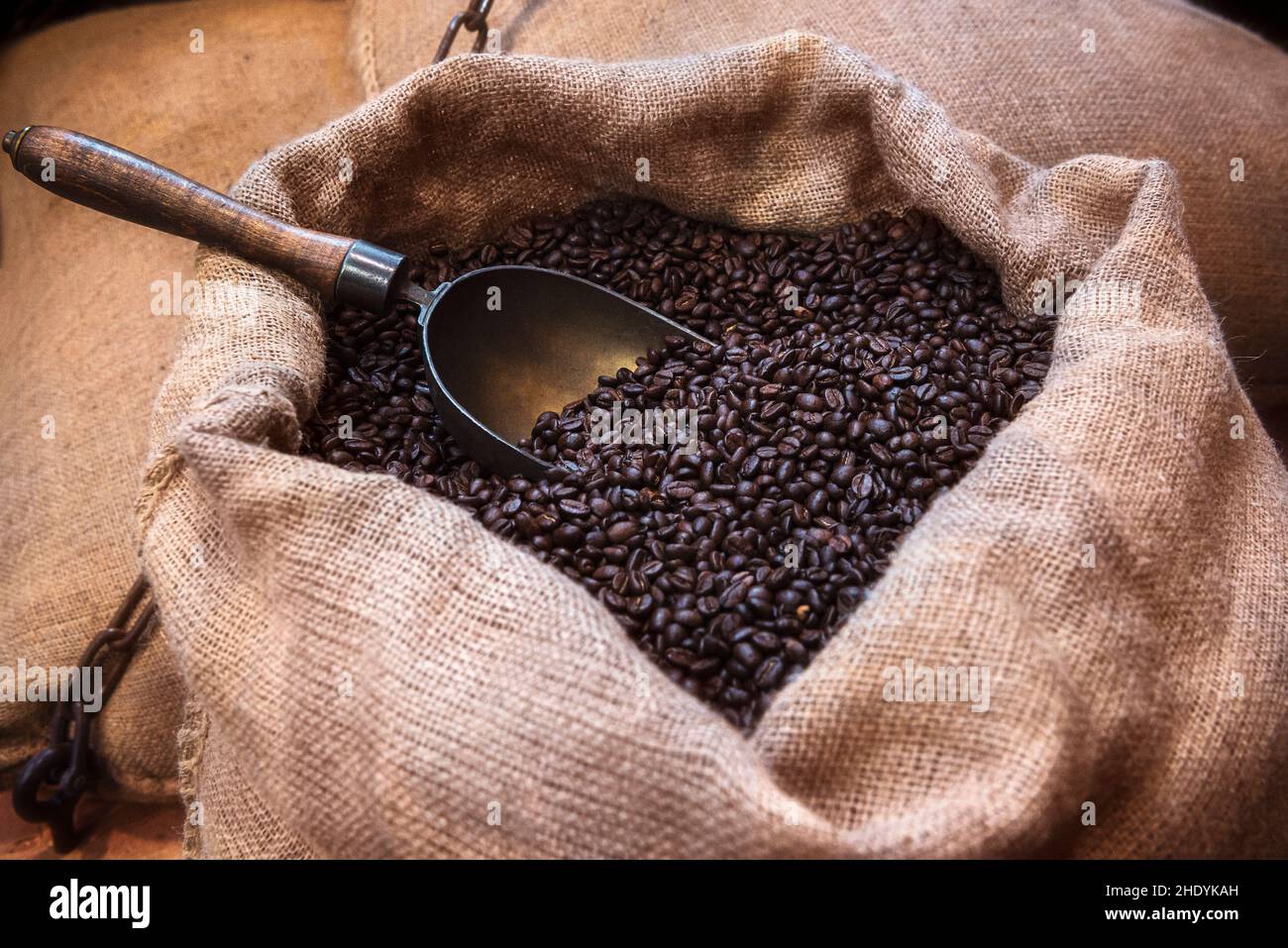
In the process of selecting the best sustainable coffee, it is essential to search for accreditations that ensure ethical farming practices. Certifications such as Fairtrade, Rainforest Alliance, and Organic reflect that the coffee beans are cultivated under settings that support environmental sustainability and fair labor practices. These labels not only ensure that you are buying high-quality coffee, but they also back farmers who prioritize sustainable methods. By opting for brands that showcase these labels, you can enjoy your fresh coffee beans while knowing that you're making a ethical choice.
A further consideration in discovering best coffee is to seek out regions known for sustainable practices, like Costa Rica. Arabica coffee is often favored for its superior flavor, and many farms in these areas focus on preserving a healthy ecosystem. Supporting local coffee companies that obtain their beans sustainably contributes to the local economy and supports environmentally conscious farming methods. When you purchase coffee beans from these regions, you not only experience the best coffee in the world, but you also help the artisans and farmers dedicated to sustainable agriculture.
Finally, consider purchasing directly from coffee roasters who emphasize clarity in their supply chain. Fresh roasted coffee beans from sustainable sources not only flavor an enhanced experience but also often have a reduced carbon footprint as they avoid large distributors. Many companies now offer coffee via the internet, providing you with the ability to research and choose brands that resonate with your values. By choosing recently roasted coffee beans from sustainable producers, you can delight in excellent coffee while making a positive impact on the planet.